
Tennis Tournament Review: Standout Players and Match Insights
Tennis always rewards patience, timing, and discipline, but every tournament has its own rhythm. Some weeks are defined by heavy serving and short points, while others turn into long physical battles from the baseline. In this event, the most noticeable pattern was how often momentum shifted within a single match. Players who looked fully in control in one set were suddenly forced into extended rallies, defensive scrambling, and uncomfortable service games in the next.
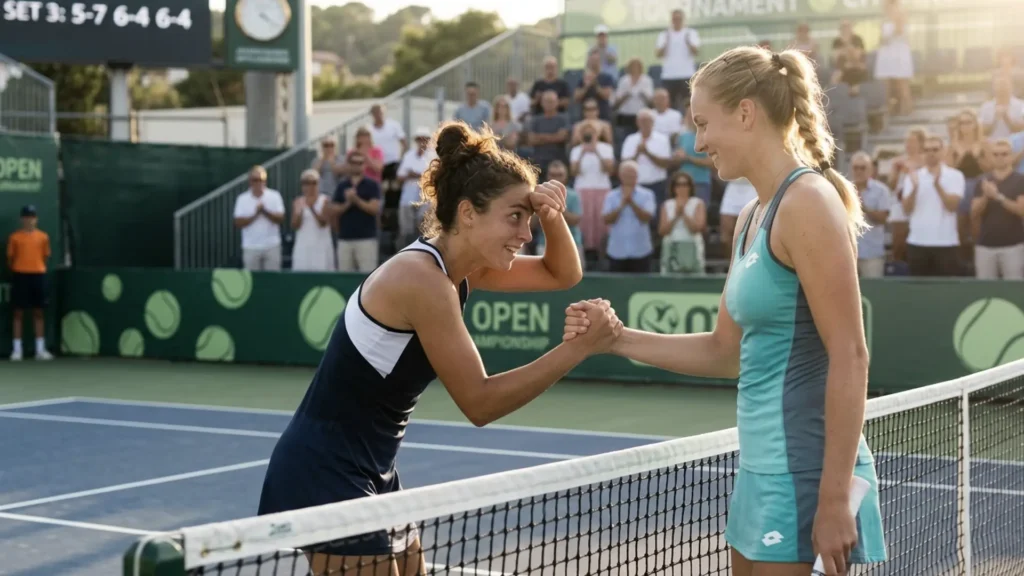
That is part of what continues to make tournament tennis so compelling. It is not only about who hits the ball harder or serves bigger. It is about who reads the match correctly, who adjusts under pressure, and who manages the emotional swings that come with close games. Across the draw, the strongest performances came from players who stayed composed during difficult stretches and found practical solutions instead of chasing highlight shots.
Early rounds set the tone
The opening matches made it clear that this tournament would not be dominated by one style of play. Aggressive first-strike tennis had success on quicker points, especially when players landed a high percentage of first serves and attacked short returns. At the same time, counterpunchers and all-court players were equally dangerous when they extended rallies and forced opponents to hit extra balls under pressure.
Several matches followed a similar script. One player would start quickly, dictating with pace and depth, only to see the opponent settle down and begin changing direction better off both wings. That tactical shift mattered. Once rallies became less predictable, the margins narrowed, and matches that looked straightforward on paper turned into real tests of shot selection and concentration.
The players who advanced most comfortably were usually the ones who avoided emotional overreaction. They did not panic after a break of serve. They did not force low-percentage winners from neutral positions. Instead, they trusted repetition, built points with shape and depth, and waited for the right ball to attack. That approach does not always create dramatic highlights, but it wins a lot of matches over the course of a long week.
Standout players and what separated them
A few competitors stood out not just because they won, but because of how complete their performances looked. The most impressive players combined strong serving with clean movement and efficient point construction. They were not spending unnecessary energy on reckless shot-making. They were controlling tempo, protecting service games, and applying pressure in return games without giving away too many free points.
One of the clearest differences between the top performers and the rest of the field was court positioning. The better players consistently recovered to smart positions after attacking, which allowed them to stay balanced in the next exchange. That detail is easy to miss when watching casually, but it often determines whether a player can finish points cleanly or gets dragged back into defense.
Another major separator was second-serve quality. In many matches, the first serve percentage naturally dipped during tense moments. The players who remained dangerous behind the second serve avoided immediate scoreboard pressure. They used spin, placement, and variation instead of simply rolling the ball in. That gave them a better chance to start the point neutrally instead of reacting from a defensive position right away.
The strongest returners also left a mark on the tournament. They were not always blasting winners off the return, but they consistently got the point started and forced servers to play one extra ball. That small advantage changed the dynamic of multiple service games. Over time, pressure accumulates, especially when a server no longer feels they can win cheap points whenever needed.
Key match patterns from the week
If one theme defined the best matches of the tournament, it was tactical flexibility. Straight-line power alone was rarely enough. The most successful players mixed crosscourt patterns with well-timed changes down the line, then followed with disciplined recovery. They understood when to absorb pace and when to step inside the court.
Several matches were shaped by the backhand exchange. In modern tennis, that side often becomes the negotiation zone early in points, and that was true again here. Players tested depth, angle, and height through the backhand wing before trying to open space for the forehand finish. Those who handled that phase patiently were able to create cleaner attacking opportunities later in the rally.
Net play also had a quiet but important role. This was not a tournament defined by constant serve-and-volley tennis, but the players who chose their forward moments well were rewarded. Short approach shots, controlled transition balls, and confident first volleys helped close out points efficiently. It served as a reminder that moving forward is still a valuable tool when used with good timing rather than desperation.
Another recurring pattern was physical management across long sets. The deeper matches went, the more valuable economy of movement became. Players who stayed compact and efficient late in rallies were more stable under pressure. Those who relied too heavily on explosive recovery or rushed offense often lost precision at the worst time, especially in long deuce games and late-set return points.
Why mental control mattered as much as shot-making
Tournament reviews often focus on forehands, aces, and break points, but this week offered another reminder that emotional control is part of the technical package. Tennis punishes short lapses more than many sports because momentum can turn so quickly. A loose service game, a missed overhead, or a rushed decision on an easy short ball can change an entire set.
The best players handled those swings well. When they missed, they reset quickly. When they had chances and failed to convert, they stayed committed to the right patterns instead of forcing the issue. That type of emotional steadiness rarely receives the same attention as a spectacular winner down the line, but it often explains why one player survives the tight moments and another fades.
This was particularly visible in tiebreak situations and at the end of close sets. Players with calm body language and clear routines between points tended to make better decisions under stress. They served with more purpose, returned with better depth, and avoided the kind of impulsive errors that hand momentum away for free.
What this tournament may signal going forward
While one event never tells the full story of a season, tournaments like this can reveal useful trends. Form, confidence, and tactical sharpness tend to show up before results fully stabilize. A player who competes with discipline across multiple rounds is often closer to a deeper run elsewhere than the raw scorelines alone might suggest.
That is why match quality matters as much as the final result. A competitor who loses in three tight sets but shows strong serving patterns, disciplined rally tolerance, and smart court coverage may be in better shape than someone who advances with a more fragile game. The scoreboard matters, but so does the structure behind it.
From a broader perspective, this tournament reinforced a familiar truth about the current state of tennis. The modern game still values power, but control, variation, and decision-making remain the real difference-makers at the highest level. The players who can blend those elements consistently are the ones most likely to stay dangerous from one tournament to the next.
Final thoughts
This tournament delivered exactly what strong events usually do: a mix of expected quality, unexpected resistance, and useful insight into which players are solving problems in real time. The standout performers did not rely on one-dimensional tennis. They served with purpose, defended with balance, adapted tactically, and managed pressure with maturity.
That combination is what separates a good match from a meaningful performance. Results will always dominate headlines, but the deeper story is in how players construct points, handle turning moments, and sustain execution over the course of a full week. On that level, this tournament offered a strong reminder that the most complete players are still the ones who make the game look simple when it is anything but.