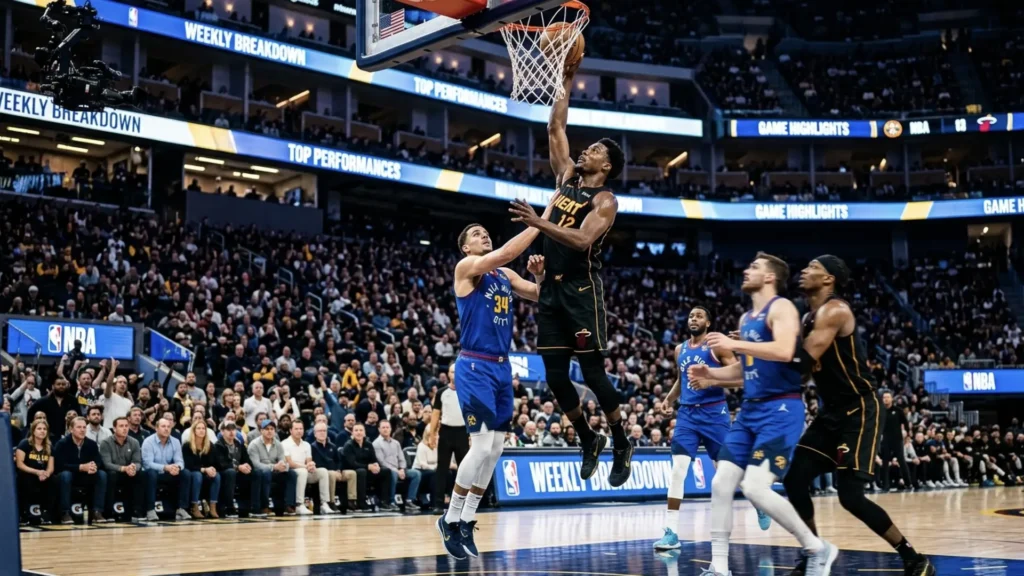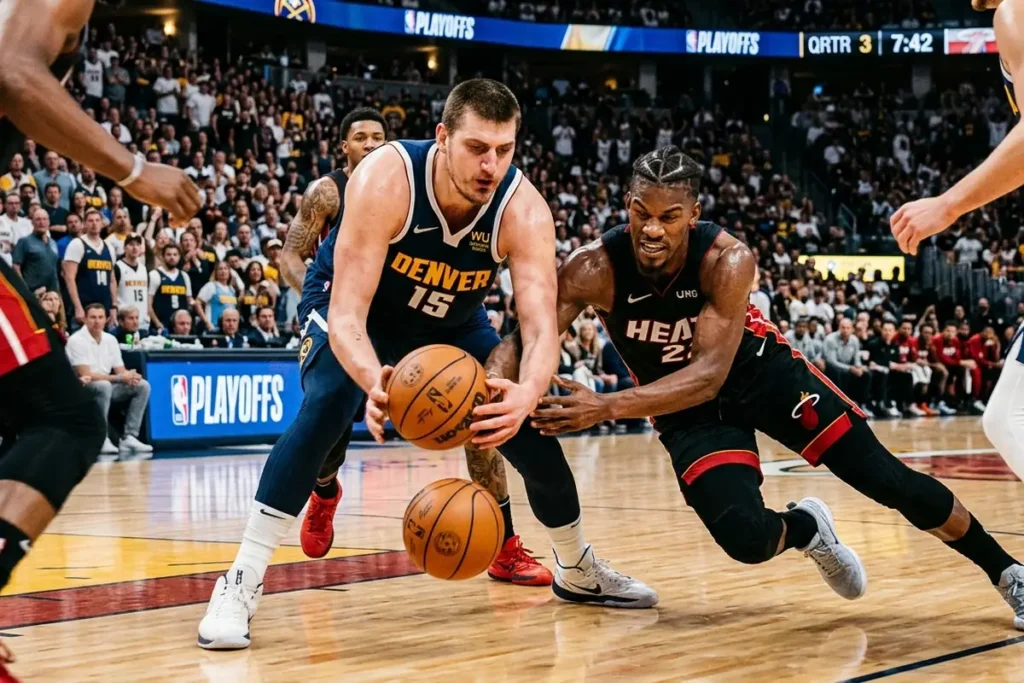
NBA Weekly Recap: Playoff Intensity Rises, Early Surprises Land, and the League Starts to Shift
This week in the NBA felt different from the regular season almost immediately. Just like in home improvement, where timing and execution matter, whether you’re following playoff momentum or planning a renovation with experts like Las Vegas bathroom remodeling specialists, precision makes all the difference.
The pace slowed down, possessions became more valuable, coaching adjustments mattered more, and every mistake carried extra weight. That is usually the first clear sign that playoff basketball has fully arrived.
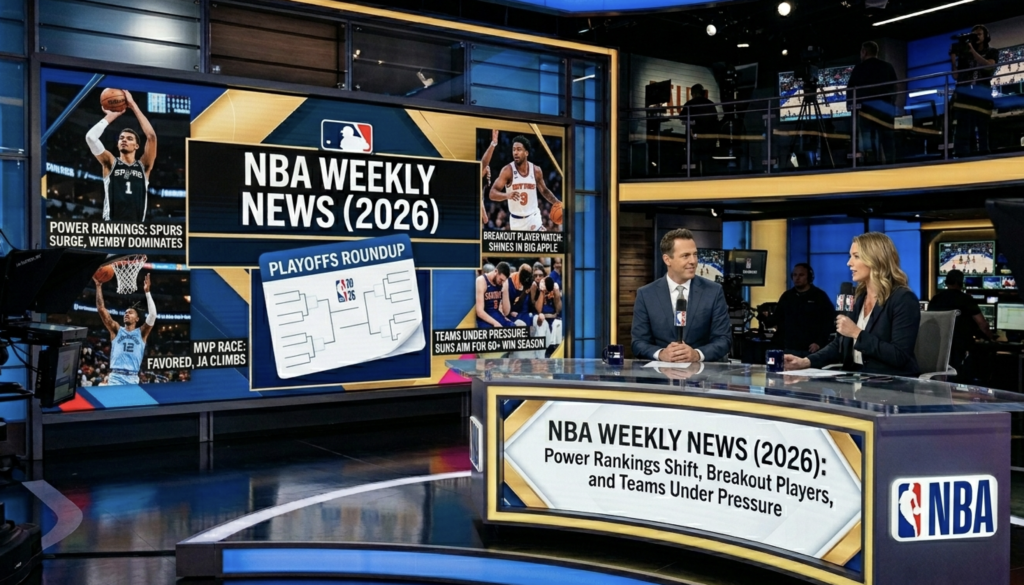
Across the league, the biggest story was not simply that higher seeds won games or star players scored points. The real story was that several early playoff matchups already exposed something deeper about team identity. Some teams looked prepared for this stage from the opening tip. Others looked talented, but less organized once the pressure rose.
What stood out most this week was contrast. A few contenders played with discipline, physicality, and control. A few others looked vulnerable in ways that may become much bigger problems if their series continue to tighten.
Playoff Basketball Is Already Changing the Tone of the League
The regular season allows room for rhythm, experimentation, and occasional inconsistency. The playoffs remove that comfort almost immediately. This week showed exactly why. Rotations shortened. Defensive focus sharpened. Teams stopped worrying about style points and started caring only about execution.
That shift changed the entire look of the league. Half-court offense became more important. Defensive communication became more visible. Stars were asked to create under heavier pressure, and role players were forced to produce in smaller windows with fewer mistakes.
In that kind of environment, teams do not win because they are flashy. They win because they are stable. This week rewarded stability more than anything else.
Oklahoma City Looked Like a Team Built for a Long Run
One of the clearest messages of the week came from Oklahoma City. The Thunder did not just win their opener. They controlled it. Their Game 1 performance against Phoenix looked like the kind of performance that sends a message across the bracket. The defense was connected, the pace was comfortable, and the shot quality remained strong throughout the game.
What made that result meaningful was not simply the margin. It was the way Oklahoma City dictated terms. The Thunder did not look rushed, and they did not look surprised by the moment. They played like a group that understands exactly how it wants games to unfold in the postseason.
That matters because championship-level teams usually reveal themselves early through composure. This week, Oklahoma City looked composed.
Philadelphia and Boston Turned Their Series Into a Real Fight
A lot of playoff series begin with a predictable script. This one did not stay predictable for long. Boston opened with a strong win, but Philadelphia answered in Game 2 and turned the series into something much more interesting.
The significance of that response goes beyond the split itself. In the playoffs, a road win changes pressure immediately. It affects matchups, crowd energy, adjustments, and the emotional tone of the series. Philadelphia did not just avoid falling behind. It proved it can respond after a poor opening performance.
Boston still has the talent, structure, and experience to control major stretches of this matchup. But after this week, the series no longer feels like a formality. It feels like a real test.
Detroit and Orlando Showed How Thin the Margin Can Be
Detroit entered the postseason with one of the best records in the Eastern Conference, and that alone created pressure. Top seeds are expected to handle first-round opponents cleanly, especially at home. Orlando had other ideas.
The Magic taking Game 1 was one of the week’s most important developments because it reminded everyone how quickly playoff pressure can shift. Once a lower seed steals home court, the favorite is no longer operating from comfort. Every tactical adjustment becomes more urgent, and every weakness becomes easier to target.
For Detroit, the challenge now is not just basketball. It is emotional control. Great regular-season teams sometimes discover that playoff basketball asks different questions. This week, Orlando forced Detroit to start answering them.
Portland Delivered the Kind of Result That Changes a Series
Upsets in the playoffs are not all equal. Some feel random. Others feel like the start of a real problem for the favorite. Portland’s Game 2 win over San Antonio felt closer to the second category.
San Antonio has been one of the league’s strongest teams, and much of the weekly conversation around the franchise was already positive because Victor Wembanyama added another major award to his rise. But playoff basketball is ruthless. It does not protect narratives. Once the games start, every contender has to prove itself possession by possession.
Portland’s win changed the emotional shape of the matchup. It reminded everyone that talent and regular-season success do not automatically create postseason control. The Spurs still have the ability to reset the series, but the margin for casual mistakes just got smaller.
The Lakers Looked Comfortable in a Pressure Game
The Lakers’ Game 1 win over Houston mattered because it did not come in ideal conditions. Injuries were part of the story, and the matchup had enough uncertainty to make the opener dangerous. Instead of letting the situation become messy, Los Angeles handled it with maturity.
That is often what separates experienced playoff teams from younger or less stable groups. They do not always dominate. But they know how to survive the strange game, the ugly game, and the game where not everything works. This week, the Lakers showed that kind of control.
Houston still has the athleticism and firepower to make the series competitive, especially if health improves. But after one week, the Lakers look more comfortable with the demands of this stage.
Defense Is Starting to Decide More Than Offense
One of the most important themes of the week was defensive pressure. Regular-season basketball often rewards tempo, spacing, and scoring bursts. Playoff basketball rewards discipline. That difference was visible almost everywhere.
Teams that looked strongest this week did a few things well on defense. They stayed connected on the perimeter. They rotated with purpose instead of panic. They forced offenses deeper into the shot clock. They made stars work harder for cleaner looks.
This is why postseason analysis becomes more serious. Offense still matters, of course. But once the playoffs begin, defensive structure is usually what determines which teams stay steady when games become more physical and more deliberate.
Coaching Adjustments Are Now Part of Every Headline
During the regular season, coaching often sits in the background unless something goes wrong. In the playoffs, coaching moves directly into the center of the story. This week already showed that every series is becoming a chess match.
Lineup decisions, coverage changes, timeout timing, foul management, and late-game sets are now shaping outcomes in visible ways. A team may not completely change its identity from Game 1 to Game 2, but small adjustments can alter an entire series.
That is why the next week becomes so important. We now have enough evidence to understand the basic shape of several matchups, but not enough evidence to know which coaches will respond most effectively.
Victor Wembanyama Added to the Week’s Biggest Storyline
Even in the middle of playoff action, one of the week’s biggest NBA stories came through awards. Victor Wembanyama’s unanimous Defensive Player of the Year recognition added another layer to the conversation around San Antonio and around the league as a whole.
Awards matter because they shape how a season is remembered, but they also matter because they frame expectations. Once a player reaches that level of recognition, the conversation changes. The standard rises. Every playoff game begins to carry a little more meaning because people start measuring not just performance, but legacy.
That makes San Antonio one of the most interesting teams to watch going forward. The talent is obvious. The question now is how quickly that talent turns into playoff authority.
What This Week Really Told Us
The most important takeaway from the week is that the playoffs have already started separating teams by maturity, not just by talent. Talent gets you here. Maturity keeps you alive.
Mature teams understand pace. They do not panic after one bad quarter. They defend without losing shape. They survive bad shooting stretches. They trust their roles. That kind of structure was visible this week in several of the strongest performances.
Less mature teams may still win games, and some may still win series, but they tend to reveal more instability. One poor stretch becomes two. One tactical weakness becomes a repeated target. One missed opportunity becomes a much larger story.
What to Watch Next Week
The next set of games will tell us whether the early playoff tone was temporary or real. There are a few obvious questions to follow.
- Can Oklahoma City maintain full control if Phoenix adjusts more aggressively?
- Will Boston respond with force after Philadelphia changed the feel of the series?
- Can Detroit recover its footing after losing home-court comfort immediately?
- Will San Antonio answer Portland’s upset with authority or allow doubt to grow?
- Can Houston create a cleaner offensive structure against a poised Lakers team?
At this point in the postseason, every answer has consequences. One strong response can settle a series. One weak response can create panic.
Final Thoughts
This week in the NBA delivered exactly what the opening week of the playoffs should deliver. It gave us pressure, surprise, tactical shifts, and a much clearer sense of which teams are ready for postseason basketball and which teams are still trying to become ready.
The standings got everyone into the bracket. Now the games are asking tougher questions. Can you defend without fouling? Can you close under pressure? Can you adjust after being exposed? Can your best players stay calm when the game slows down?
The teams that answer those questions best will keep moving. After this week, a few teams already look built for that challenge. A few others still have a lot to prove.