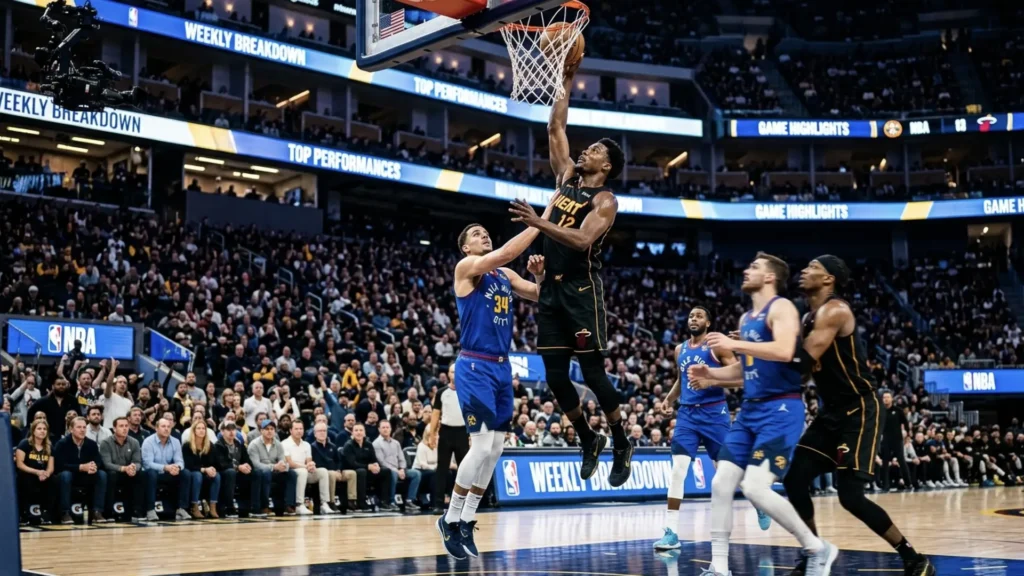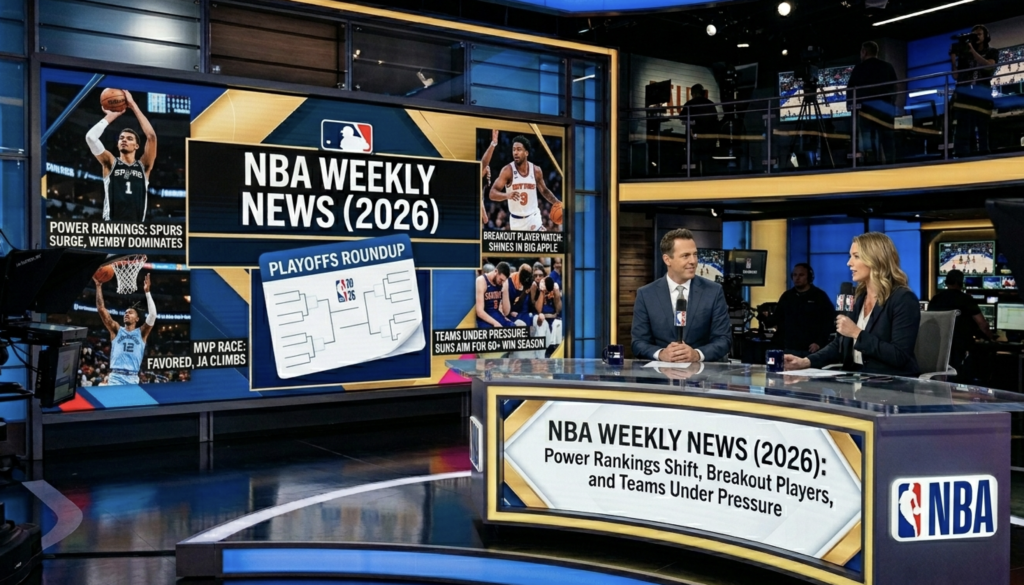
The NBA has delivered exactly what fans expect at this stage of the calendar: urgency, volatility, and storylines changing almost every night. Over the last several days, the league has shifted from play-in drama to first-round playoff adjustments, and the early message is clear. Nothing is settling into a predictable pattern yet. Several higher seeds have already been pushed, a few contenders have looked dominant, and one franchise outside the playoff field has already made a major coaching change.
The biggest transition point came in Phoenix, where the Suns closed the door on Golden State with a 111-96 play-in win. Jalen Green exploded for 36 points and gave Phoenix the scoring burst it needed in a game that felt like a referendum on two teams heading in different directions. Devin Booker added another steady performance, and the Suns defended with discipline against Stephen Curry, never allowing the Warriors to find consistent offensive rhythm. For Golden State, the loss was more than a single elimination setback. It felt like the end of a chapter. The Warriors entered with playoff experience and star power, but Phoenix played with more pace, more energy, and more urgency.
That result immediately sent the Suns into a much tougher challenge against Oklahoma City, and the opening game of that series showed the gap they now have to close. The Thunder rolled to a 119-84 win in Game 1 and looked every bit like a team comfortable in the spotlight. Shai Gilgeous-Alexander set the tone, Oklahoma City defended aggressively, and Phoenix never looked settled offensively after the emotional win over Golden State. It was the kind of performance that reminded everyone why the Thunder entered the postseason with so much respect around the league. They were not just better than Phoenix in Game 1. They looked more organized, deeper, and fresher.
In Los Angeles, the Lakers made one of the more important statements of the opening weekend by beating the Rockets 107-98 in Game 1. This was not a flashy win built on chaos. It was controlled, physical, and timely. Luke Kennard scored 27 points, giving the Lakers perimeter offense at exactly the right time, and Los Angeles looked comfortable dictating tempo. For Houston, the bigger question immediately shifted toward health and availability. Kevin Durant was listed as a game-time decision for Game 2 because of a right knee contusion after missing the opener. That uncertainty changes the entire feel of the series. If Durant cannot return at full effectiveness, Houston risks falling behind against a Lakers team that already looks confident at both ends.
Boston, meanwhile, delivered the most decisive first-round reminder of what a title-caliber team can look like when everything is clicking. The Celtics crushed Philadelphia 123-91 in Game 1, and the result was not simply about shot-making. It was about control. Boston defended without giving the 76ers clean rhythm possessions, moved the ball well, and got a strong all-around return performance from Jayson Tatum, who finished with 25 points, 11 rebounds, and seven assists. The Celtics never allowed the game to become complicated. They imposed their structure early and never loosened their grip. Philadelphia now faces the hardest kind of playoff task: solving a team that did not appear vulnerable in any obvious area.
One of the most interesting developments in the East came in Detroit, where Orlando went on the road and stunned the top-seeded Pistons 112-101 in Game 1. Paolo Banchero led the way with 23 points and nine rebounds, and the Magic never trailed. That part matters. This was not a late comeback fueled by a short hot streak. Orlando controlled the game from the opening stretch and carried that composure through the finish. For Detroit, losing at home as the top seed immediately adds pressure to the next game. For Orlando, it reinforces the idea that this group is not arriving just to gain experience. The Magic are clearly here to compete and make the series uncomfortable.
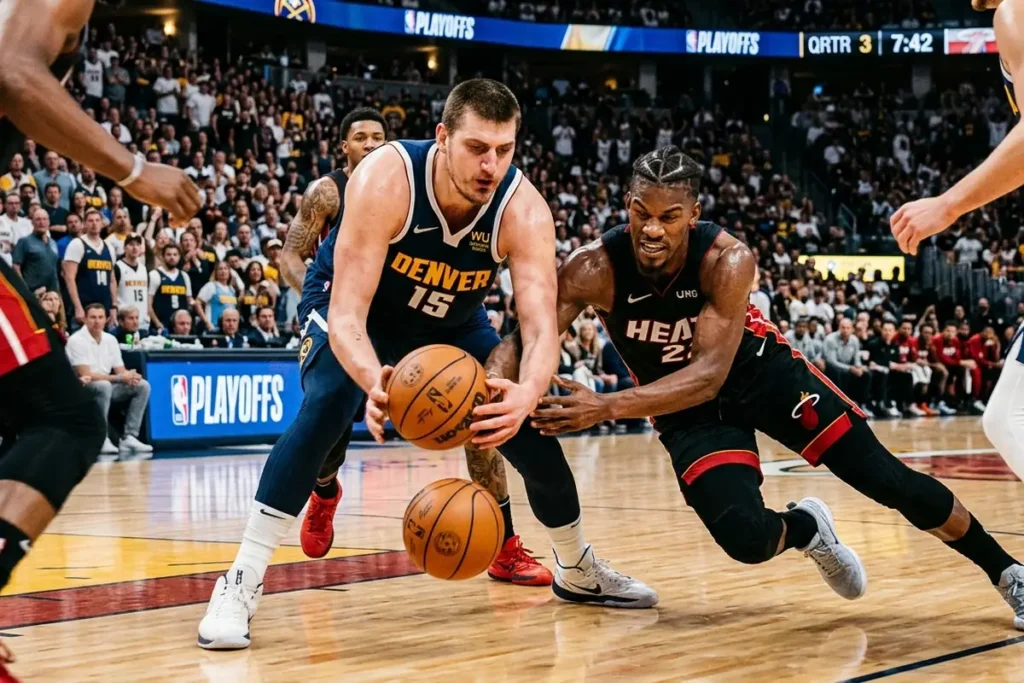
The West may already have its most compelling early matchup in Minnesota versus Denver. The Nuggets opened with a win behind another Nikola Jokic triple-double and 30 points from Jamal Murray, looking at times like the more composed late-game team. But Game 2 changed the texture of the series. Minnesota erased a 19-point deficit to win 119-114 and level the matchup at 1-1. Anthony Edwards delivered 30 points and 10 rebounds, Julius Randle contributed 24 points and nine boards, and the Timberwolves found ways to punish Denver on second-chance opportunities late. The comeback was important for more than the standings. It re-established belief. Minnesota showed it could survive a bad start, absorb Denver’s shot creation, and still finish stronger in the fourth quarter.
In New York, the Knicks looked ready to take control of their series before Atlanta flipped the script late in Game 2. The Hawks rallied for a 107-106 win behind 32 points from CJ McCollum, evening the series at one game apiece. Atlanta’s comeback exposed how thin playoff margins become when execution slips for even a few minutes. New York had the crowd, the momentum, and an eight-point lead inside the final five minutes, yet the Hawks stayed aggressive and closed better. That result changes the tone heading into Atlanta. Instead of the Knicks traveling with a 2-0 edge, the series now feels open, tense, and strategically fluid.
Outside the playoff bracket, Chicago generated one of the league’s biggest non-game headlines when Billy Donovan stepped down after six seasons as Bulls head coach. Chicago had already been moving toward organizational change after another disappointing year, and Donovan’s exit confirms that the franchise reset is real. The Bulls missed the playoffs again, finished 31-51, and now face a broader leadership transition that extends from the bench to the front office. In a league where postseason storylines dominate attention, this is still a meaningful development. Coaching changes made in late April often shape summer priorities, roster decisions, and the direction of an entire rebuild.
What stands out most from the last five days is how quickly certainty has disappeared. The Thunder and Celtics look strong, but both still have to prove they can sustain control once opponents counter. The Lakers have momentum, but Houston’s health situation could dramatically alter the series. Orlando has already broken the expected script in the East. Minnesota has turned its matchup with Denver into what now feels like a true heavyweight series. And New York has already learned that early control means very little if the finish is not clean.
This is what makes the NBA so compelling in late April. Every game rewrites the conversation. One hot shooting night can revive a lower seed. One injury report can shift betting markets, coaching decisions, and rotation patterns. One road win can erase a regular-season hierarchy that took six months to build. The stories from the past few days are not isolated headlines. They are the opening signals of what could become a dramatic postseason.
As the first round continues, the biggest question is no longer who looked best over 82 games. The question is who can adapt fastest now. Through the last five days, that answer seems to be changing every night.